
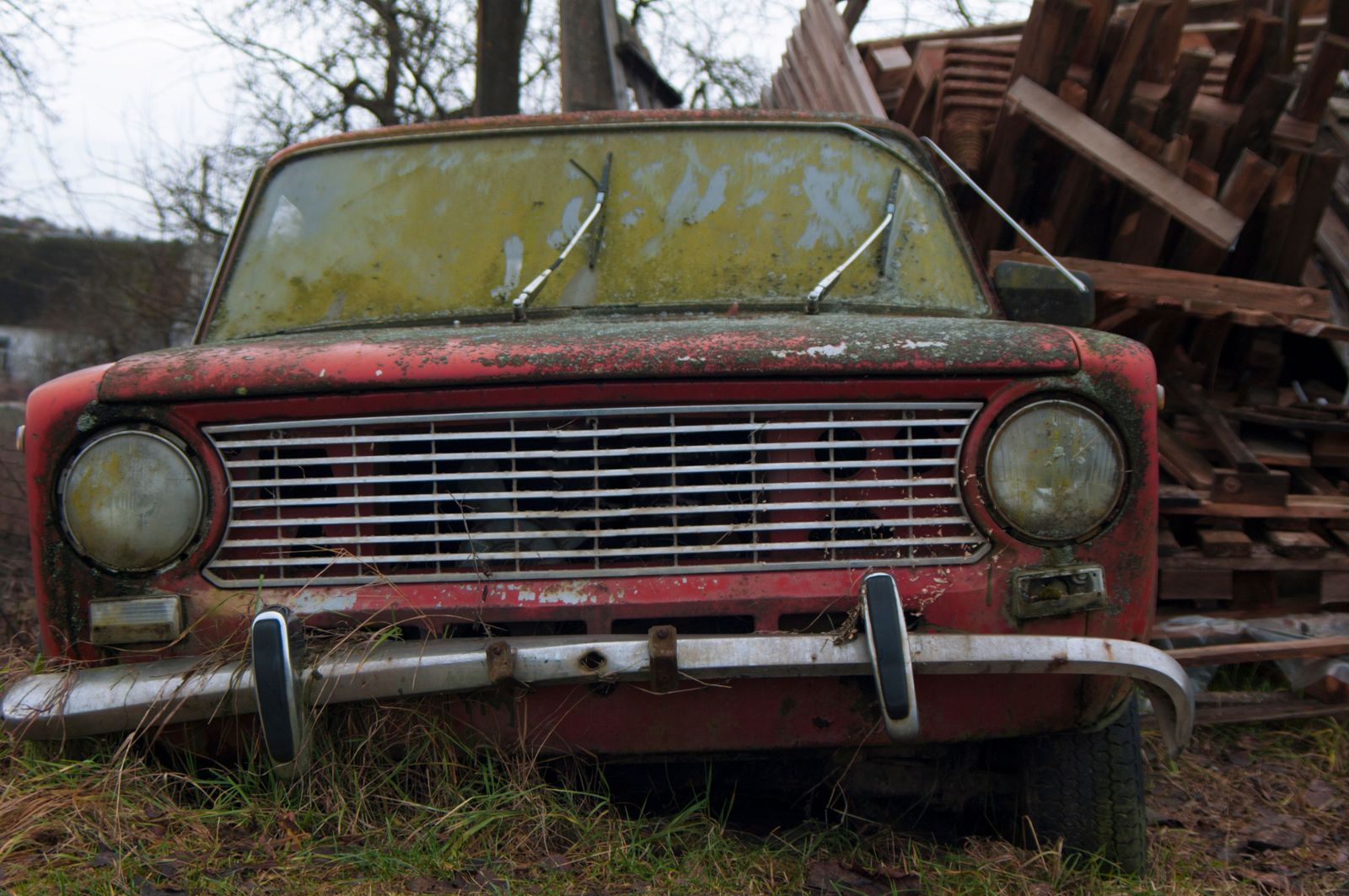
Old cars tell stories with every scratch, dent, and squeaky hinge. Rust tells the loudest story of them all.
If you drive an older vehicle in Calgary, you’ll likely see rust in most parts. Wheel arches bubbling. Rockers flaking. Frames turning crusty. It feels unfair. You take care of the car, yet the metal still fades and falls apart.
Here’s the science behind rust, how Calgary’s winter roads speed it up, and when it makes more sense to get cash for cars in Calgary instead of paying for more bodywork.
Table of Contents | Why Old Cars Rust The Way They Do: The Science Behind Rust, Road Salt, And Time
- Key Takeaways: Science Behind Rust Formation and More
- Why Do Old Cars Rust So Much?
- The Simple Science Of Rust Damage: What Is Actually Happening?
- Why Rust Shows Up In The Same Places On Old Cars
- Why Older Cars Rust Faster Than Newer Ones
- How Calgary Winters Speed Up Rust On Your Car
- When Rust Turns From Cosmetic Issue To Safety Problem
- How To Slow Rust Down On An Older Car
- When It’s Time To Trade Rust For Cash
- Rust Tells You A Story, Listen To It
- FAQs About Rust, Old Cars, And Cash For Cars
Key Takeaways: Science Behind Rust Formation and More
- Rust needs three things: bare steel, water, and oxygen. Road salt turns this slow process into a fast one.
- Older cars rust faster because of thinner coatings, old repairs, and years of stone chips and scratches.
- Calgary winters create perfect rust conditions, especially under the car, inside frame rails, and around wheel wells.
- Heavy rust lowers safety and value. At some point, cash for junk cars in Calgary gives more benefit than more rust repair.
Why Do Old Cars Rust So Much?
Old cars rust more because time wins. Paint breaks down. Sealers dry out. Undercoating cracks. Once steel sits exposed, rust starts and never stops on its own.
Newer vehicles have better coatings and smarter design. Steel hides behind sealers, plastics, and zinc. As years pass, real life chews through all of that. Rock chips, winter gravel, car washes, careless repairs. Every small wound lets water and salt in.
Rust is chemistry, not luck. Some cars hold up better, yet every steel body starts to rust when the protection fails.
The Simple Science Of Rust Damage: What Is Actually Happening?
The Three Ingredients Rust Always Needs
Rust needs three things.
- Steel or iron.
- Oxygen.
- Water.
Steel reacts with oxygen when water connects them. Water works like a bridge for tiny charged particles. The steel gives up electrons. The surface changes into iron oxide. That orange or brown powder is rust.
Once rust starts, it spreads. Rust holds water. The metal under it keeps reacting. Fresh steel hides under the flaky layer, and the process rolls forward.
We see three common types on cars.
- Surface rust forms on top. It stains bare steel, yet stays thin if you stop it early.
- Scale rust eats further in. It looks thick and rough. Flakes break off when you tap the area.
- Penetrating rust makes holes. This is the type that scares mechanics and buyers.
Why Salt Makes Rust So Much Worse
Road salt changes the game.
Salt pulls moisture from the air and a salty film stays wet longer than plain water. It also makes the water more conductive. That gives the rust reaction more power and speed.
In simple terms, salt turns a slow burn into a hot fire.
Calgary roads sit covered in salt and gravel every winter. That mix flies off tires. It sandblasts the underside of your car, breaks the coatings, then packs salty slush into every seam and pocket.
Even when the air feels dry, salt holds enough water to keep rust growing. That’s why winter cars here age faster than cars in mild, dry climates.
Why Rust Shows Up In The Same Places On Old Cars
Walk through any Calgary parking lot in February. The rust patterns look nearly identical from car to car.
Wheel Arches And Fenders
Wheel wells sit at the front line.
Tires throw rocks and salt at the lips of the fenders. That chips the paint, then water sneaks behind the metal. Rust starts on the inside, and then it grows outward. By the time paint bubbles appear, the metal behind already lost strength.
We see the same story behind plastic liners. Dirt and salt trap between the liner and the metal. The area never dries fully, so the inner lip breaks down first.
Rocker Panels And Door Sills
Rocker panels run under the doors. They carry a lot of weight and also catch endless spray from front tires.
Small drain holes in the rockers clog with mud. Water traps inside the hollow section. Rust works from the inside out, so you don’t usually see it until it is bad.
Door sills suffer a simpler fate. Boots scrape them. Bags drag across them. Paint wears off. Winter slush sits there and then rust simply comes next.
Frames, Subframes, And Suspension Mounts
Under the car, things get ugly fastest.
The frame takes heavy hits from gravel. Undercoating falls away in patches. Salted slush sticks to crossmembers and braces. In Calgary, this happens for months every year.
Once scale rust forms on a frame rail, strength drops. Rust around suspension mounting points or steering parts adds risk. At this point, repair gets harder and more costly, and many owners start to think about choosing the cash for cars road instead of another round of patching.
Floor Pans And Trunk Wells
Rust doesn’t only attack the outside. Water also sneaks inside through worn door seals or a rusty windshield frame. Floors stay damp under carpets. Trunk seals do the same thing. A wet spare tire well gives rust a perfect home, especially in cold weather when drying takes longer.
Why Older Cars Rust Faster Than Newer Ones
Two cars. Same road. Same winter. Different age. The older one always rusts faster. You’re not imagining things.
Thinner Coatings And Tired Paint
Paint fades with time. Sunlight breaks the clearcoat. Washes and wind wear the edges. Small cracks appear and moisture slips in. Even if you never see bare metal, microscopic gaps exist.
Underbody coatings dry and crack too. A once thick rubber layer becomes brittle. It falls off in sheets when hit by stones. When that happens, bare steel touches salty slush over and over.
Previous Repairs And Hidden Rust
Old cars go through repairs. Some are great. Some are rushed.
Body filler covers dents, yet it does not stop rust if the metal underneath was never cleaned right. Cheap patch panels leave gaps. Paint lines on repair edges stay thinner. All of that becomes weak points years later.
We see many vehicles where rust returns stronger right where a repair happened before. The reason that happens sits under the paint from day one of that repair.
Design Changes Over The Years
Car makers learned hard lessons from rust. That’s why newer designs use more galvanized steel, better drain paths, and thicker seam sealers. Many trouble spots from the 1990s and early 2000s improved a lot.
Older models never had those upgrades. Water traps stay hidden in frame rails and pillars. Seams sit right where spray hits most. Often, older design ideas just don’t suit our harsh Calgary roads.
How Calgary Winters Speed Up Rust On Your Car
Freeze, Thaw, Repeat
Temperatures swing above and below zero over and over in one week.
Snow melts on a sunny day. Water runs into seams and cracks. At night, it freezes and expands. That expansion opens up small gaps in paint, sealer, and undercoating.
The next warm spell sends salty water into those slightly bigger gaps. Each cycle widens the wound and feeds more rust.
Road Salt, Gravel, And Car Washes
Crews spread salt and gravel to keep roads safe. Those same materials chew away at the underside of your car.
Salt speeds up corrosion. Gravel chips protective coatings. Car washes blast water into seams and pockets. If you wash the car and don’t dry it or drive it soon, water can sit in hidden spots and cause problems.
A good pattern looks like this:
- Spray the underside at a wash bay.
- Drive the car right away so airflow helps blow off trapped water.
- Then park in a spot where any remaining drips can finish drying.
City Driving Versus Highway Driving
City cars age differently than highway cars.
Short trips never warm panels and exhaust long enough to dry everything. The underbody stays damp for hours. Rust loves that.
Longer highway drives warm the metal. That heat dries out some pockets. You still face rust from stone hits, yet the car spends fewer hours every day in that half wet state.
When Rust Turns From Cosmetic Issue To Safety Problem
A little surface rust on a hood edge looks unsightly, but that’s not what “ends” a car. Structural rust does.
Red Flags To Watch For
Some signs tell us a car moved past the cosmetic stage.
- Soft spots in the frame when tapped with a hammer.
- Holes around suspension mounts or control arm brackets.
- Cracked, flaking metal where seat belts bolt to the floor.
- Leaking exhaust where rusty pipes sit close to the cabin.
At that point, repair takes more than a quick sand and spray. It needs cutting, welding, and sometimes full part replacement.
When Repairs Stop Making Financial Sense
We step into tough choices here.
Body shops give quotes that climb past the value of the car itself. A frame with heavy rust turns into a money pit. Even if you patch one area, new holes appear somewhere else next season.
Once repair costs come close to or pass the value of the vehicle, selling to a service that pays cash for junk cars starts to make more sense. You get money in hand and avoid sinking more into a losing battle.
How To Slow Rust Down On An Older Car
Rust never stops on its own, but you can slow it to a crawl with a few habits.
Wash Smart During Winter
Many drivers skip washing in winter. That speeds up rust.
Wash the car and the underside regularly, especially after storms when salt levels run high. Focus on wheel wells, rockers, and the rear bumper area where spray builds up.
Dry the car with a short drive. Use a warm, indoor park when possible to let everything drip and dry. This step matters as much as the wash itself.
Deal With Small Chips Early
Stone chips look minor, yet they start long rust paths.
Keep a small bottle of touch up paint handy. Clean the chip, dry it, then dab paint on it. The color match doesn’t need to look perfect. The main goal is to seal the steel again.
Stopping rust early costs a few dollars and a few minutes. Fixing serious rust costs hundreds, sometimes thousands.
Use Rust Proofing, Not Just Undercoating
Undercoating protects against chips, yet it doesn’t reach inside frame rails and cavities.
Oil based rust proofing creeps into seams and holes. It seeps into spot welds and double panels. That’s where long term rust loves to start, especially on older cars that already show early spots.
For older Calgary vehicles that still have solid frames, yearly or bi yearly rust proofing gives more benefit than a thick layer of fresh undercoat alone.
Check Drains, Seals, And Traps
Look at the small details.
- Clear sunroof and cowl drains.
- Make sure door and trunk seals sit tight.
- Poke rocker drains gently to open them.
Water that stays trapped causes more damage than water that splashes on and dries off.
When It’s Time To Trade Rust For Cash
At some point, every old car reaches the end of its metal story.
Signs It’s Time To Move On
We tend to see the same patterns in vehicles that make more sense as cars for cash than as repair projects.
- Frame rot that shops refuse to weld.
- Multiple rust holes in floors, rockers, and shock towers.
- Brake and fuel lines that keep leaking from rust.
- Exhaust pieces that fall apart every season.
At that point, safety sits in question, and resale value to a private buyer drops. Look for a service that offers “cash for cars near me” as they see more value in the metal, parts, and recycling than a regular buyer sees in the whole vehicle.
How Cash For Cars Calgary Services Look At Rust
Businesses that offer “cash for cars in Calgary” see rust every day, so it doesn’t scare them. Instead,, it guides what they do with the vehicle.
Light rust means part out options. Heavier rust means recycling and scrap value. The key point for you is simple: You still turn a rusty vehicle into money. Instead of paying for towing, storage, or endless repairs, you get a fast offer, free junk car removal, and no long sale process.
For drivers with heavily rusted vehicles, “cash 4 junk cars in Calgary” offers provide a clean exit. You free up space, avoid safety worries, and take that money into your next purchase.
Rust Tells You A Story, Listen To It
If your vehicle already shows serious rust, reach out to our team at Cash 4 Cars in Calgary for a fast, fair offer. We handle pickup, paperwork, free towing, and turn your rusted car into fresh value for your next ride.
Contact us to get a quote today!
Discover other guides:
- Selling an Older Hybrid or EV in Calgary: Battery Health, Warranties, and What Affects Your Offer
- After a Fender-Bender: Can I Sell My Car with an Insurance Write-Off or Unrepaired Damage in Calgary?
- Eco-Friendly Auto Recycling in Calgary: Where Your Vehicle Goes After We Buy It
- Understanding the Legal Requirements for Selling a Scrap Car in Calgary
- How Mileage, Age, and Condition Affect Your Car’s Cash Value in Calgary
FAQs About Rust, Old Cars, And Cash For Cars
Does Rust Always Spread On Its Own?
Yes. Once rust starts, it keeps going as long as steel, oxygen, and moisture stay present. You slow it or stop a spot only by removing the rust, sealing the metal, and keeping water away.
Can A Rusty Frame Be Repaired Safely?
Light surface rust on a frame cleans up well. Heavy scale and holes turn repair into a bigger job. Some small sections accept welding safely, yet once rot spreads along key areas, full frame replacement or retiring the car becomes the safer option.
Does Undercoating Stop Rust On An Older Car?
Fresh undercoating protects clean, solid metal from future chips. If rust already hides under loose scale, spraying over it traps moisture and makes things worse. Rust proofing, cleaning, and spot repair should come first.
When Does It Make Sense To Use A Junk Car Removal Service?
Junk car removal makes sense when repair quotes chase the value of the car, or when structural rust affects safety. At that stage, cars for cash services turn a problem into an easy payout, especially when they include free towing and same day offers.
